


What is MIM?
Complex Parts. Compact Sizes. One Solution
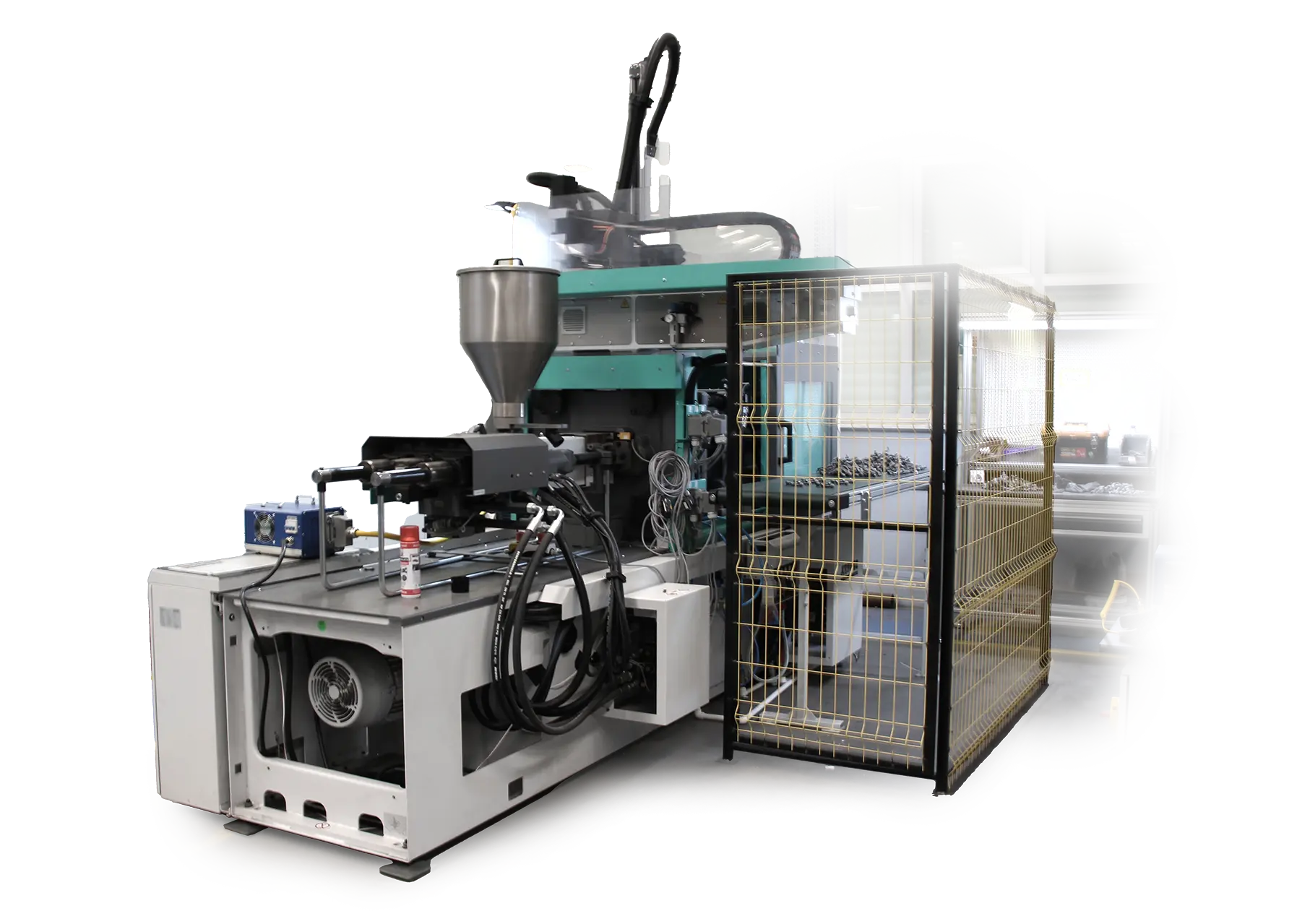
Metal Injection Molding (MIM) enables the production of complex firearm components that are difficult or uneconomical to manufacture using machining or other traditional methods. Unlike machining, MIM minimizes material waste and significantly reduces secondary operations by producing near-net-shape parts. It delivers high dimensional consistency and repeatability, making it ideal for medium to high-volume production. MIM parts achieve high density and mechanical properties comparable to wrought materials, suitable for safety-critical applications. As a result, MIM offers lower unit cost, improved design flexibility, and reliable quality at scale.
Defense and Firearm
Industry Solutions
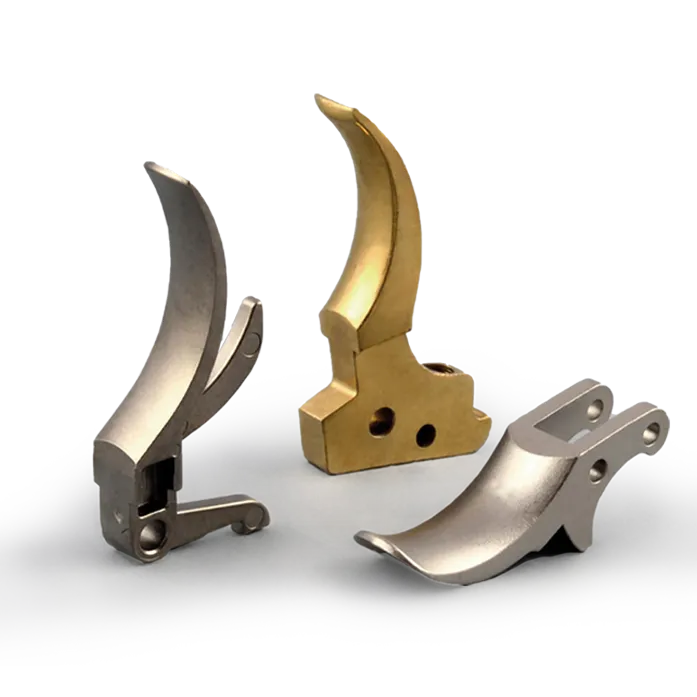
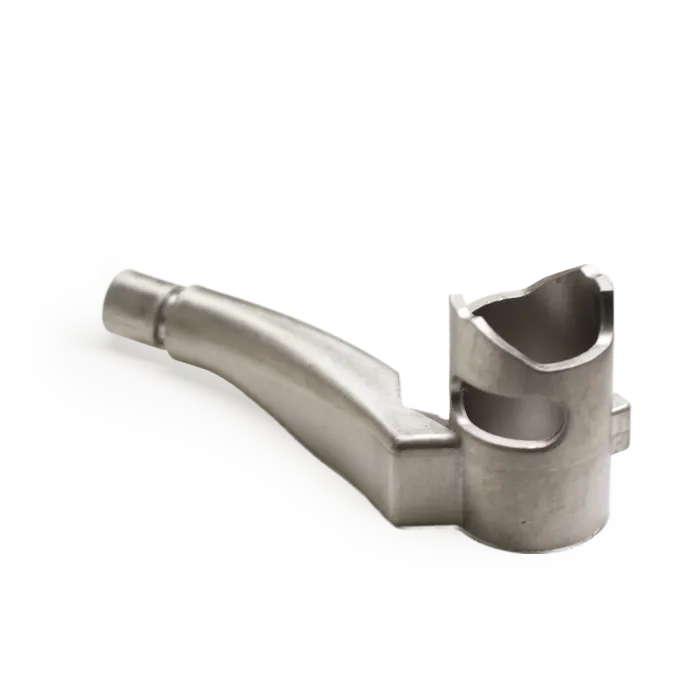
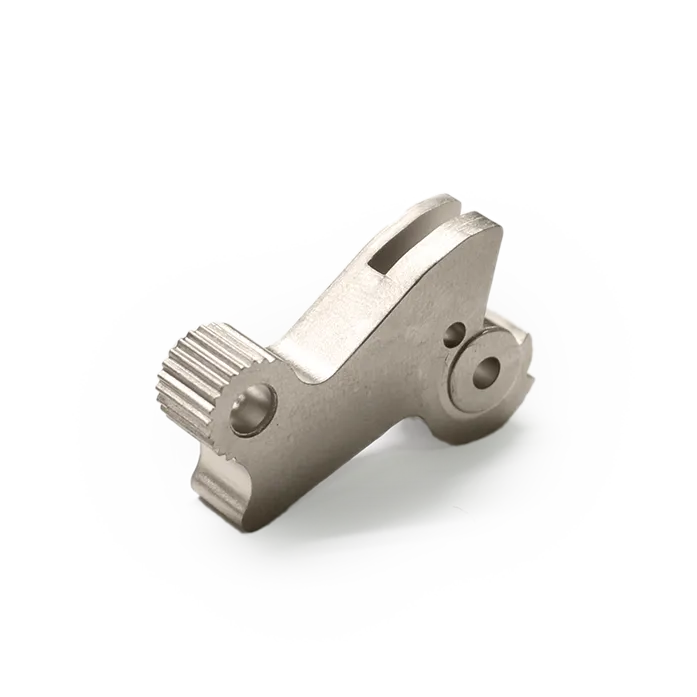
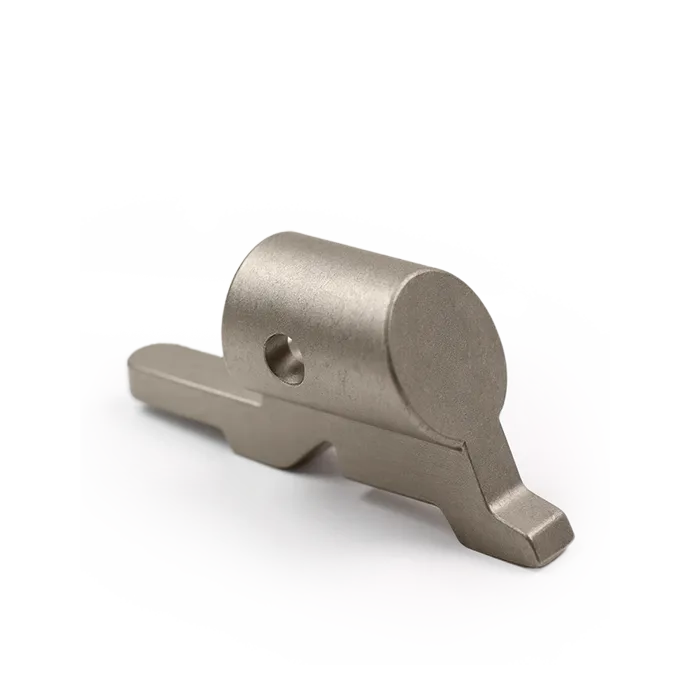
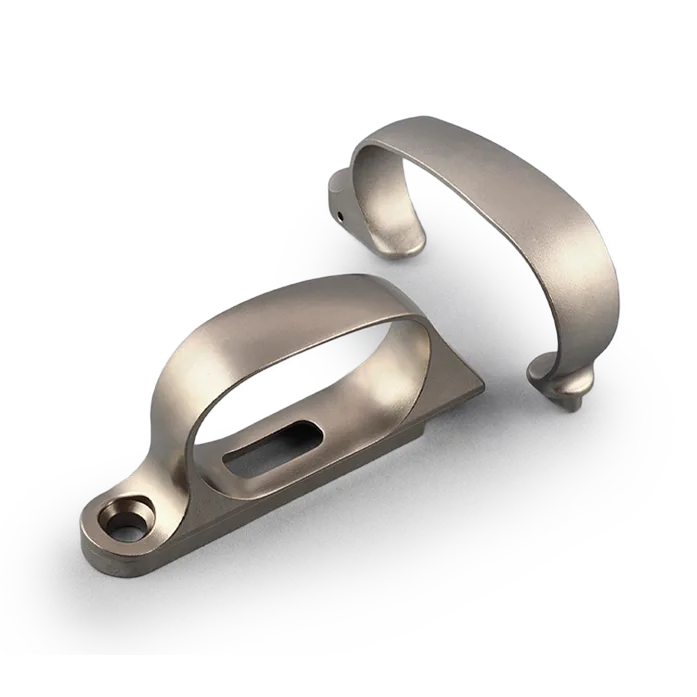
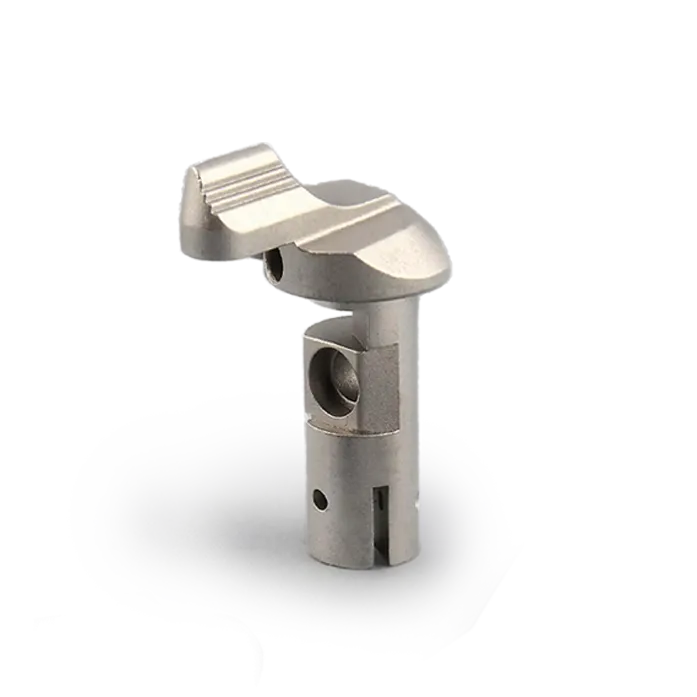
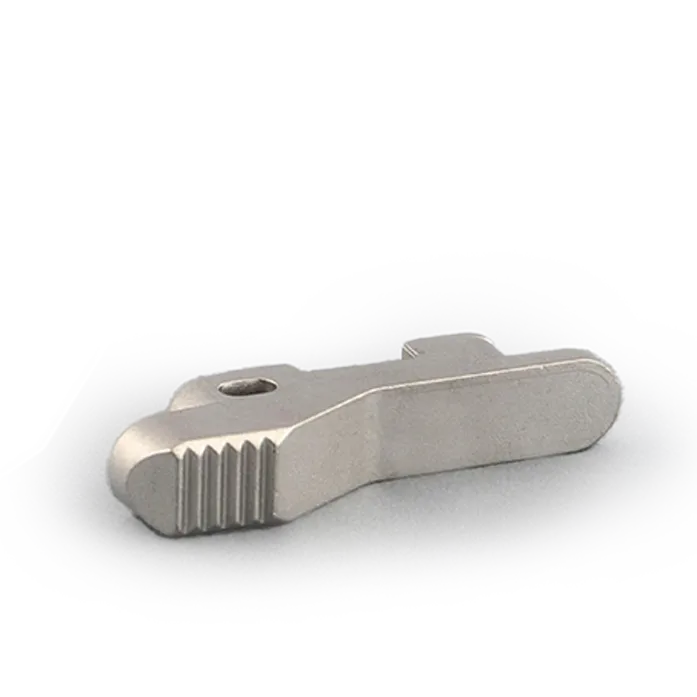
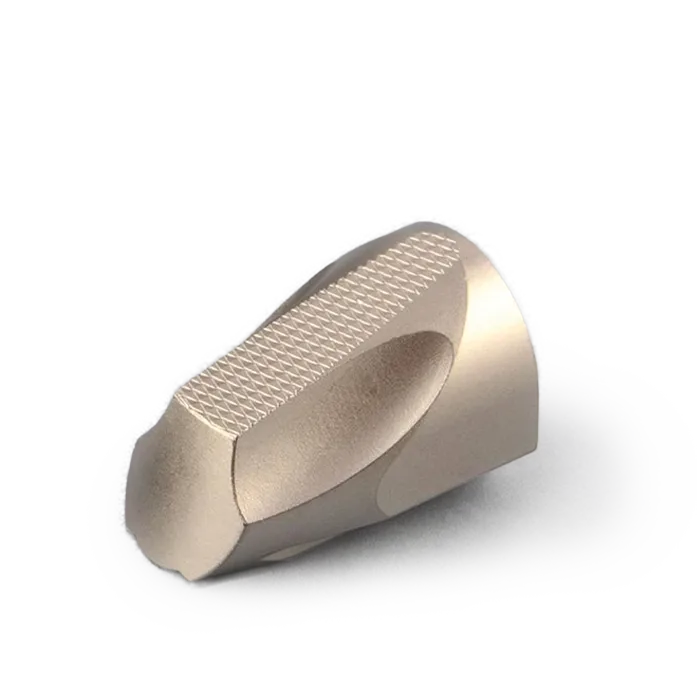
In the defense sector, MIM (Metal Injection Molding) stands as the most efficient solution for components featuring internal and external threads, blind holes, and thin-walled structures—features that are often prohibitively expensive or impossible to achieve through conventional machining.
According to industry benchmarks, the defense and aerospace sectors are among the primary industries that rely most heavily on MIM technology for mission-critical reliability.
Why Choose MIM for the Defense Sector?

-
Complex Geometries
Capability to produce intricate components such as trigger mechanisms, safety selectors, and sighting systems in a single manufacturing step, eliminating the need for complex assembly.
-
Superior Material Properties
Thanks to achieving densities exceeding 96%, parts exhibit exceptional wear resistance and structural durability, performing reliably even under the most demanding field conditions.
-
Precision Detailing
Integration of logos, serial numbers, or technical markings directly into the mold, ensuring permanent and high-definition branding without additional machining.
-
High-Volume Production
Offers an economical and rapid supply chain solution for annual demands of 5,000 units or more, ensuring consistent quality at scale.
- Complexity 100%
- Precision .03%
- Efficiency 65%
Redefining Precision Strategic MIM Solutions for Defense
-
Complexity: Executes intricate details in a single production step where traditional CNC machining reaches its technical and financial limits.
-
Precision: Delivers high repeatability with tight tolerances as low as ±0.3%, ensuring mission-critical consistency.
-
Efficiency: Provides a significant competitive edge with 25% to 65% cost savings compared to conventional manufacturing methods.
Limitless Combinations, Superior Performance
Customized Material Spectrum Solutions for Your Projects
In our production processes, we don’t just meet industry standards—we surpass them. We select the optimal alloy and protective surface technologies to fulfill the specific mechanical requirements of your project. From the defense industry to medical devices, we provide specialized solutions engineered to overcome the unique challenges of every sector.
-
Stainless Steels (316L, etc.): Engineered for components requiring high corrosion resistance and long-term durability.
-
Low-Alloy Steels (100Cr6, etc.): Optimized for mechanically stressed parts that demand high hardness and wear resistance.
-
Heat-Treatable Steels: Ideal for critical components requiring a perfect balance of toughness and fatigue strength.
4 Steps to a Flawless Production Process
Let’s Build the Future Together
From initial design to mass production, our engineering team is ready to be your solution partner. Let’s turn your complex challenges into high-performance metal reality.